Lipase for High-Fat Rendering Slurries and Byproduct Streams
High-fat rendering streams do not behave like clean protein liquor. Fat can coat solids, thicken slurries, interfere with protein hydrolysis access, and make downstream separation harder to control.
Rendara supplies lipase for rendering plant hydrolysis programs where fat-rich material needs tighter handling, cleaner phase behavior, and better integration with protease or keratinase treatment.
If your plant is running poultry offal, mixed animal byproducts, fatty trimmings, DAF sludge, stickwater concentrates, or blended fat-protein slurries, lipase may help improve how the stream moves, reacts, and separates under your actual operating conditions.
Built for Rendering Conditions, Not Bench Curiosity
Rendering plants need enzyme programs that respect real process constraints:
- Variable raw material loads
- Heat history from cooking or preheating
- High fat content and emulsified grease
- Protein, connective tissue, and mineral carryover
- Viscosity swings across batches
- Limited tank time and tight production schedules
- Separation equipment that must stay online
Rendara focuses on enzyme selection for plant-floor use: where the enzyme fits, what it is expected to improve, and how it should be paired with existing hydrolysis and separation steps.
Where Lipase Fits in Rendering Hydrolysis
Lipase targets lipid material in fat-bearing streams. In rendering hydrolysis, it is most often considered when fat is affecting flow, hydrolysis efficiency, or separation behavior.
Typical use areas include:
- High-fat offal and byproduct slurries
- Fat-protein emulsions entering hydrolysis tanks
- Streams where grease coating limits protein enzyme contact
- Hydrolysate lines with heavy oil carryover
- Material going to decanters, centrifuges, or fat-water-solids separation
- Programs where lipase complements protease for better overall breakdown
- Selected feather or keratin-bearing blends where keratinase, protease, and lipase may need to work as a system
Lipase is not a universal fix for every rendering stream. It performs best when matched to feedstock composition, process temperature, residence time, mixing, pH window, and downstream separation goals.
Why Rendering Plants Use Lipase
Better Fat Handling in Mixed Slurries
Fat-rich slurries can resist uniform hydrolysis. Lipase can help modify lipid behavior so the material moves more consistently through tanks, pumps, and transfer lines.
Improved Enzyme Access
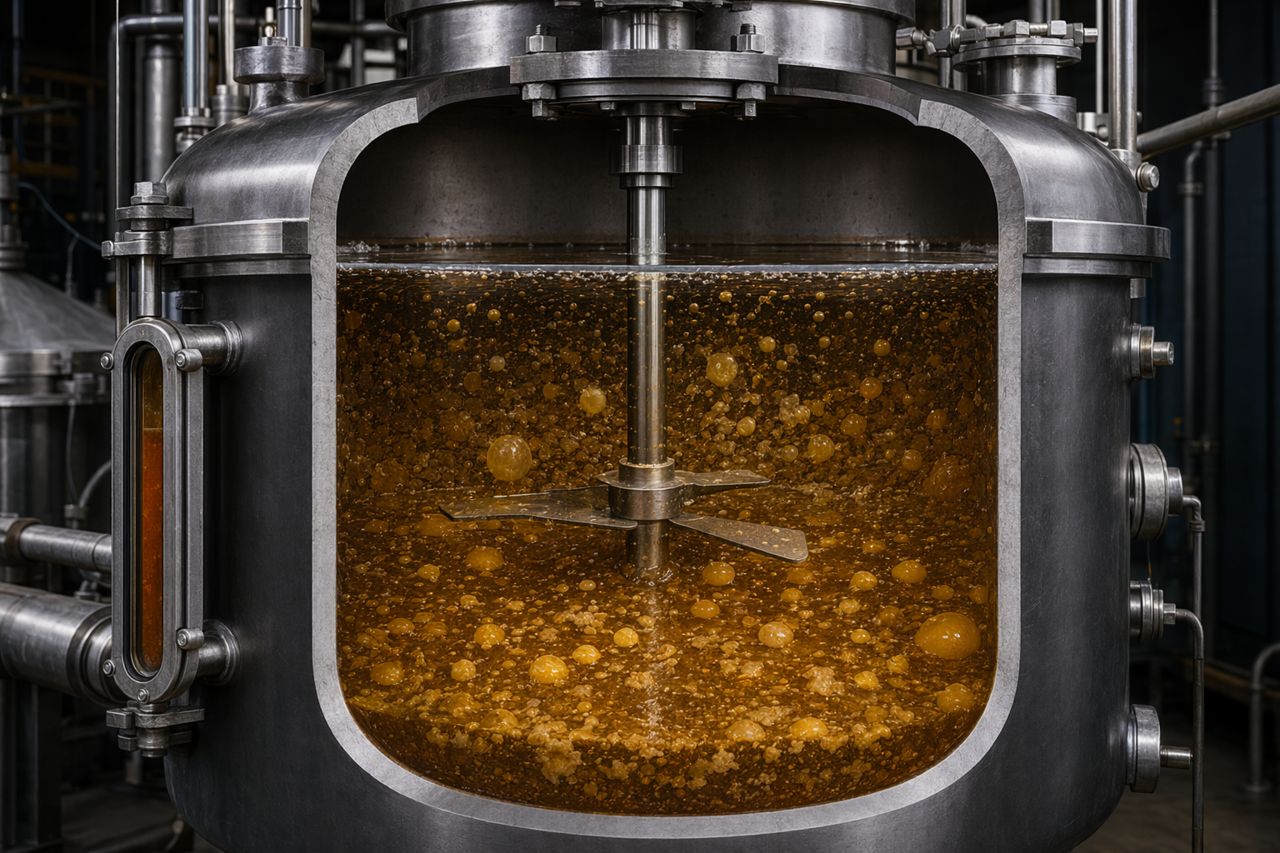
When fat coats protein particles, protease access can be restricted. In suitable streams, lipase can help reduce that interference and support a more balanced hydrolysis program.
Lower Viscosity Pressure
High-fat emulsified material can create thick, stubborn slurry behavior. Lipase may support viscosity control when fat structure is one of the drivers of poor flow.
Cleaner Separation Potential
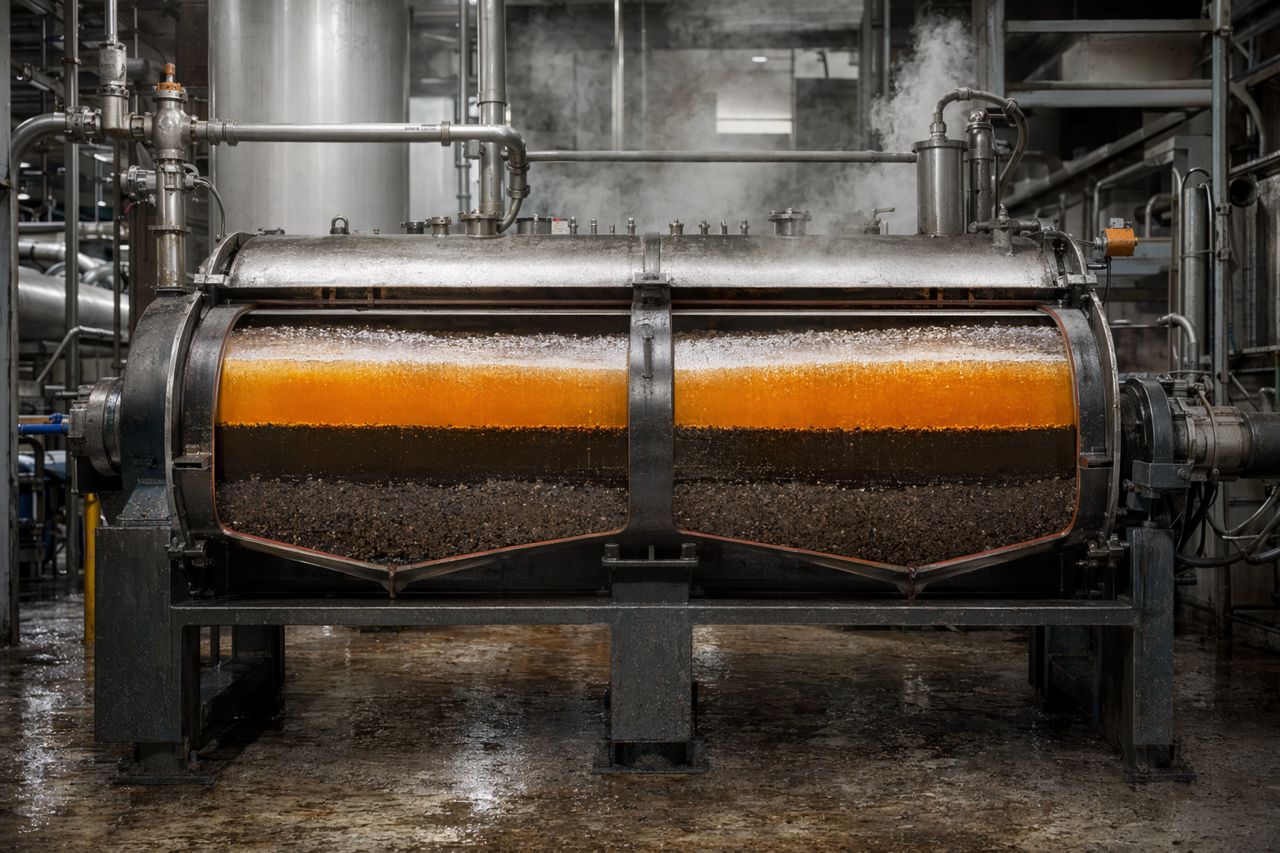
Rendering plants live or die by phase control. When lipase is properly selected and dosed, it can support cleaner handling of fat-water-solids interfaces before decanters, centrifuges, or polishing steps.
Higher Recoverable Value from Byproduct Streams
Better hydrolysis and separation can help recover more usable material from offal, trimmings, stickwater-related streams, and other fat-protein byproducts.
Lipase as Part of a Multi-Enzyme Program
In many rendering applications, lipase is strongest when it does not work alone.
Rendara can help evaluate combinations such as:
- Lipase plus protease for fat-protein slurry hydrolysis
- Lipase plus keratinase where feather or keratin-bearing material is blended with fatty byproducts
- Lipase support for cooked or preconditioned streams where fat behavior changes after heat exposure
- Sequential enzyme addition when one reaction stage improves the next
- Single-tank programs where dosing order, mixing, and hold time must be practical
The goal is not to add more chemistry than the process needs. The goal is to identify the enzyme package that gives the plant a measurable operational reason to keep using it.
Process Variables That Matter
Before recommending lipase, Rendara looks at the real operating window of the plant.
Key variables include:
- Raw material type and fat load
- Cooked versus uncooked material
- Hydrolysis tank temperature profile
- pH range during treatment
- Available retention time
- Mixing intensity and dead zones
- Solids loading
- Existing protease or keratinase use
- Emulsion behavior before separation
- Target product: hydrolysate, recovered fat, meal quality, soluble fraction, or wastewater load reduction
This matters because the wrong lipase choice can add cost without improving throughput, separation, or yield. The right program should be tied to a plant objective.
Common Rendering Plant Objectives
Rendara lipase programs are typically evaluated against practical plant outcomes:
- Keep high-fat slurry moving through the hydrolysis step
- Reduce fat coating that limits protein breakdown
- Improve consistency across variable raw loads
- Support cleaner fat-water-solids separation
- Improve decanter or centrifuge feed behavior
- Increase recoverable value from fatty byproduct streams
- Reduce rework caused by unstable emulsions or poor breakdown
- Support uptime by reducing process instability
- Complement protease or keratinase without disrupting the existing line
Application Areas
Poultry Rendering
Poultry byproducts often carry a heavy mix of fat, protein, skin, connective tissue, and variable solids. Lipase can be considered where fat interferes with hydrolysis consistency or downstream separation.
Mixed Animal Byproducts
Mixed rendering streams can change hour by hour. A lipase-supported program may help stabilize processing when fat content swings and slurry behavior becomes difficult to predict.
Fatty Trimmings and Offal
High-fat offal and trimming streams can produce dense emulsified material. Lipase may support better hydrolysis access and more controlled phase behavior.
DAF and Recovery Streams
Selected DAF sludge or recovery streams may contain emulsified fat, protein, and suspended solids. Lipase can be evaluated where the goal is improved handling, breakdown, or separation before disposal or recovery.
Hydrolyzed Byproduct Production
For plants producing hydrolysate ingredients, fat behavior can affect clarity, consistency, pumpability, and downstream finishing. Lipase can be part of the control strategy.
How Rendara Supports Plant Trials
Rendara does not treat lipase selection as a catalog transaction. Rendering streams are too variable for that.
A typical evaluation includes:
- Reviewing the stream type, process flow, and target outcome
- Identifying where lipase should enter the line
- Checking compatibility with temperature, pH, mixing, and retention time
- Reviewing whether protease or keratinase should be paired with lipase
- Defining practical plant observations: viscosity, separation behavior, hydrolysis consistency, pumpability, and recovered fraction quality
- Supporting scale-up from sample evaluation to plant trial
The result is a recommendation built around your operating reality, not a generic enzyme label.
What to Tell Us Before Quoting
To quote the right lipase program, send Rendara the following if available:
- Raw material description
- Approximate fat, solids, and protein profile
- Current process temperature range
- pH range during hydrolysis
- Tank size and available hold time
- Mixing method
- Current enzyme use, if any
- Separation equipment type
- Main problem: viscosity, poor hydrolysis, fat carryover, unstable emulsion, low recovery, odor load, or downtime
- Desired outcome and monthly usage estimate
If you do not have every detail, send what you know. Rendara can help frame the rest.
Request a Quote
Need lipase for a fat-rich rendering stream or a combined lipase-protease hydrolysis program?
Use the on-site request form and include your feedstock, process conditions, and target improvement. Rendara will review the application and respond with a practical enzyme recommendation for your plant.