How Feed Formulators Think About Hydrolyzed Rendering Meals
Feed formulators do not buy hydrolyzed rendering meal because the word hydrolyzed appears on a spec sheet. They buy it when it fits a ration target with fewer formulation surprises.
For a rendering plant, that changes the way hydrolysis should be managed. The goal is not simply to break down protein as far as possible. The goal is to produce a repeatable meal stream with controlled viscosity upstream, clean phase separation, stable odor load, and nutrition that feed buyers can place with confidence.
Rendara is an enzyme supplier for rendering plant hydrolysis built around that operating reality: rugged raw streams, thermal process constraints, yield recovery pressure, and the need to keep the line moving.
The feed formulator's view: consistency beats novelty
A hydrolyzed rendering meal has to compete inside a finished feed formula. The formulator is weighing protein contribution, amino acid profile, digestibility expectations, fat contribution, ash, palatability, ingredient cost, availability, and plant-to-plant consistency.
When a batch performs unpredictably, it does not matter how strong the story sounds. The buyer sees risk.
Common formulation questions include:
- Will the meal hit the same protein and moisture range shipment after shipment?
- Is the fat level controlled enough to avoid reformulation problems?
- Is ash or mineral load pushing the ingredient out of target inclusion levels?
- Does odor load create handling or palatability concerns?
- Is the hydrolysis profile consistent enough to support repeat buying?
- Can documentation and lot traceability keep pace with commercial feed requirements?
That is why rendering hydrolysis must be designed backward from buyer confidence, not forward from enzyme addition alone.
Hydrolysis profile matters more than the label
Hydrolyzed meals can vary widely depending on raw material, grind, cooker history, enzyme contact conditions, thermal exposure, fat separation, drying load, and final meal handling.
For feed formulation, the practical question is not whether hydrolysis occurred. The question is whether it occurred in a controlled way.
A controlled enzymatic hydrolysis step can help a rendering plant manage:
- Protein structure opening before downstream concentration or drying
- Viscosity reduction in protein-rich liquor streams
- More predictable pumping and heat transfer behavior
- Cleaner fat-water-solids separation when the process window is right
- Reduced drag on decanters, presses, and evaporators
- More repeatable meal characteristics for customer specification targets
The best result is not maximum breakdown at any cost. Over-processing can create its own problems: odor intensity, drying difficulty, handling issues, or a meal profile that becomes harder to position commercially.
The operating target is controlled hydrolysis, matched to the raw stream and the feed market you serve.
What rendering plants can control before the meal reaches the buyer
Feed formulators judge the finished ingredient, but many of the deciding factors are set inside the rendering plant.
1. Raw material segregation
Different raw streams behave differently under hydrolysis. Poultry, feather, mixed animal proteins, porcine material, and high-fat streams each bring different heat history, collagen structure, mineral load, and fat-water behavior.
Better segregation gives the enzyme step a narrower operating target. A narrower target usually means better repeatability.
2. Grind and surface exposure
Hydrolysis depends on access. If particle size is inconsistent, enzyme contact becomes inconsistent. Some material is opened quickly while larger pieces remain under-treated.
For plant operators, this shows up as uneven viscosity response, unstable separation, and meal variation after drying.
3. Heat history
Rendering is a thermal business. Enzymes have to fit inside that reality. If the process is too hot at the wrong point, hydrolysis control is lost. If the stream is too cold or too thick, the reaction may not distribute evenly.
A practical enzyme program is designed around the actual cooker, hydrolysis tank, retention path, and separation equipment already in place.
4. Contact time and mixing
The enzyme has to meet the substrate under controlled conditions. Dead zones, short-circuiting, and uneven mixing can create split behavior: part of the stream hydrolyzes while part of it passes through with limited change.
That inconsistency often travels downstream into decanter loading, dryer demand, odor load, and final meal variance.
5. Separation performance
Hydrolysis can help make protein-rich streams easier to move, but separation must remain clean. The plant still needs fat recovery, solids control, and a water phase that behaves predictably.
A good enzyme strategy should support yield recovery instead of creating emulsified, hard-to-separate material.
What formulators reward in hydrolyzed rendering meal
When a feed buyer likes a hydrolyzed rendering meal, it is usually because the ingredient behaves reliably in the formula and in the receiving system.
The attributes that matter commercially include:
- Tight shipment-to-shipment specification control
- Predictable protein contribution
- Controlled moisture and fat
- Manageable odor profile
- Clean bulk handling and storage behavior
- Reduced formulation risk
- Repeatable documentation
- Availability at commercial scale
In other words, the value is operational on both sides. The rendering plant needs throughput and yield. The feed mill needs ingredient confidence.
Why enzyme selection should be process-fit, not catalog-fit
Rendering plants are not laboratory benches. They run hot, variable, high-load material with tight uptime expectations. An enzyme program must be selected for the plant's real process constraints.
Important selection factors include:
- Raw material type and variability
- Target finished meal market
- Hydrolysis point in the line
- Existing tankage and residence time
- Mixing energy and flow path
- Temperature window available before deactivation
- Desired viscosity change
- Separation impact
- Dryer load and final moisture target
- Odor management expectations
The wrong enzyme choice can create viscosity surprises, separation losses, odor intensity, or a hydrolysis profile that does not match the buyer's intended feed use.
The right choice gives the plant a controllable lever: enough protein opening to improve process behavior and meal positioning, without sacrificing yield recovery or uptime.
A practical way to talk with feed customers
Rendering plants can strengthen commercial discussions by translating hydrolysis into buyer-relevant terms.
Instead of leading with enzyme language, lead with performance language:
- More consistent finished meal specification
- Controlled protein hydrolysis profile
- Stable fat and moisture ranges
- Cleaner process separation supporting reliable output
- Lot-to-lot documentation
- Production scale availability
Feed formulators do not need every internal plant detail. They need confidence that your hydrolyzed meal will not force constant ration adjustments.
Embedded explainer video
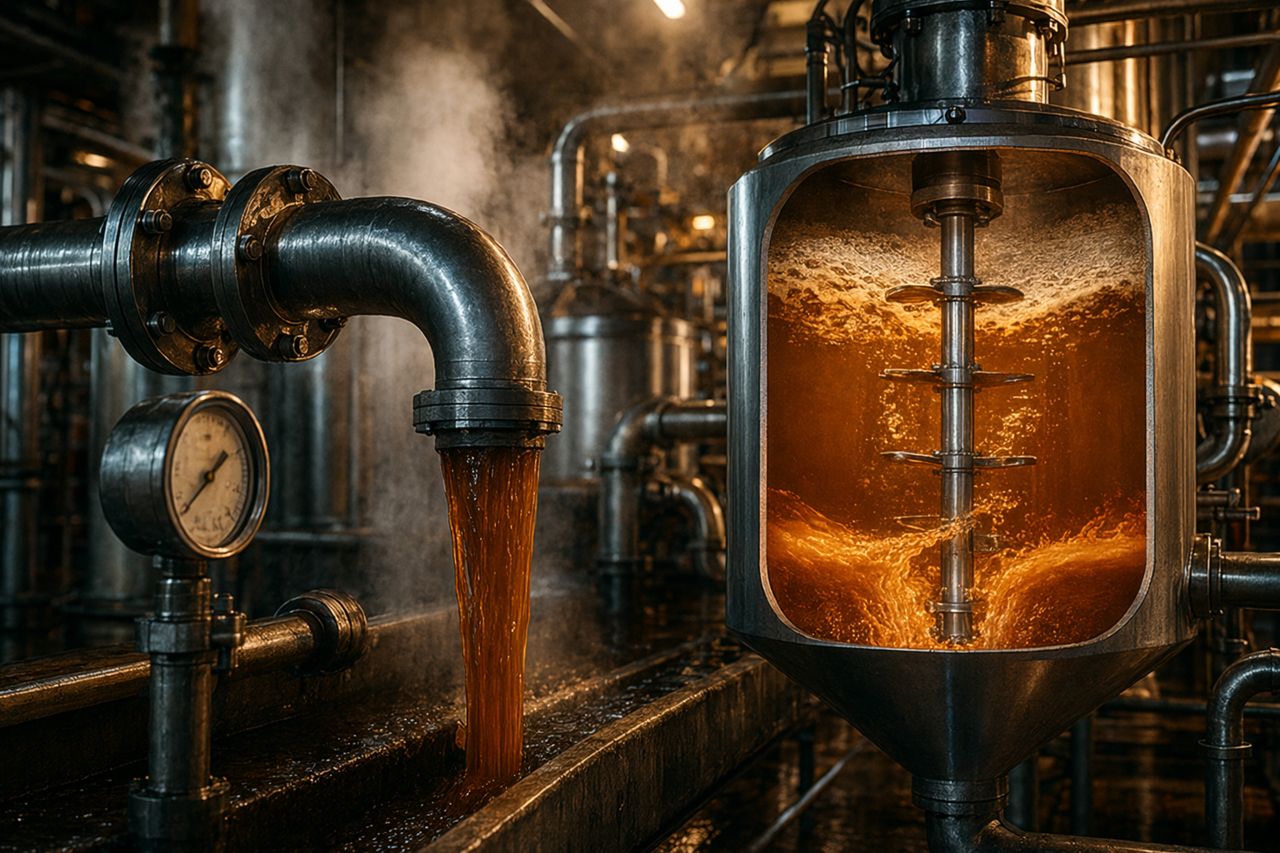
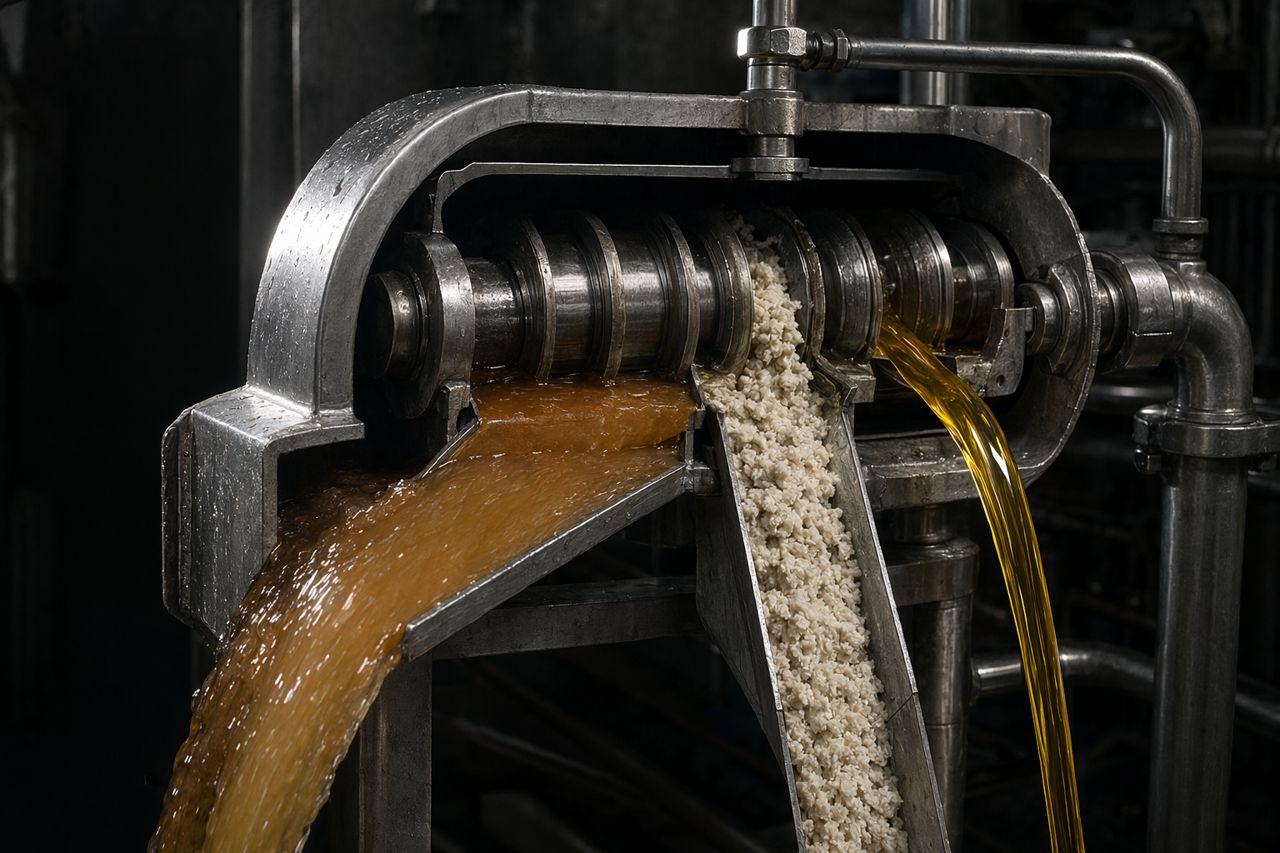
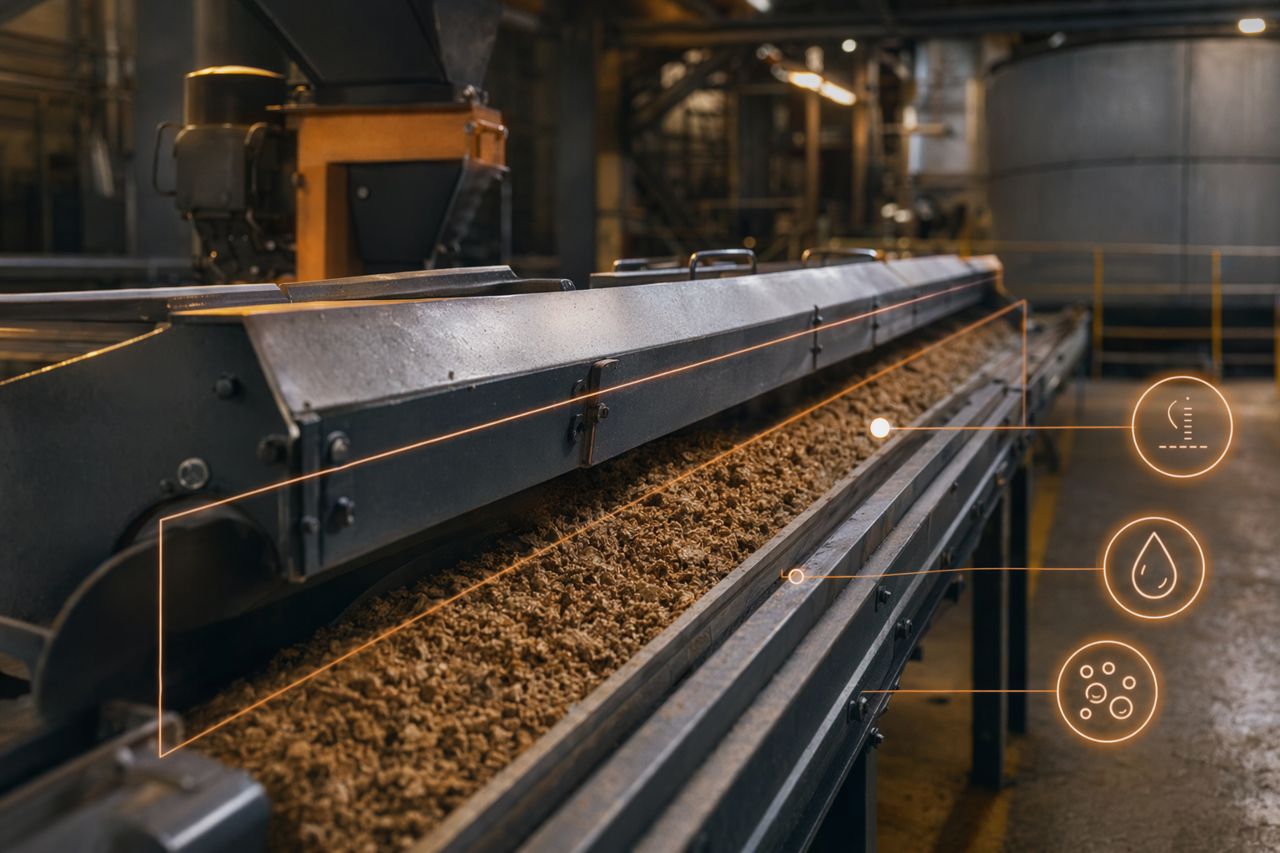
This page includes a one-minute faceless explainer showing how controlled enzymatic hydrolysis connects plant-floor decisions to feed formulation confidence. The visual sequence follows amber protein liquor through grinders, cookers, hydrolysis tanks, decanters, and final meal handling without showing people or avatars.
Where Rendara fits
Rendara supplies enzyme solutions for rendering plants that need hydrolysis control tied to throughput, viscosity, separation, odor load, and finished meal consistency.
We help buyers frame the enzyme discussion around the actual process:
- What raw stream is being hydrolyzed?
- Where can the enzyme be introduced without disrupting uptime?
- What viscosity or separation issue is limiting the line?
- What finished meal specification is the commercial target?
- What operating window is realistic for the plant?
That is the difference between enzyme supply and process-fit enzyme supply.
Request a quote
If your plant is producing, upgrading, or evaluating hydrolyzed rendering meal, Rendara can review the process context and quote an enzyme solution aligned with your operating goals.
Use the on-site request a quote form and include your raw material type, hydrolysis point, temperature range, retention setup, separation equipment, and finished meal target. We will respond with a practical supply path for your rendering line.